Table of Contents
- What is DevOps?
- Why DevOps is High Demand in 2026
- DevOps Lifecycle Explained
- Linux & Networking Mastery
- Git & Version Control Deep Dive
- CI/CD Pipelines
- Docker Complete Guide
- Kubernetes Architecture
- AWS for DevOps Engineers
- Infrastructure as Code
- Monitoring & Observability
What is DevOps?
DevOps is a combination of Development and Operations. It is not just a tool or technology. It is a culture that focuses on collaboration, automation, continuous integration, continuous delivery, monitoring, and feedback.
Traditionally, developers used to write code and operations teams used to deploy it. This created delays, communication gaps, and deployment failures. DevOps solves this by integrating automation and shared responsibility.
In 2026, DevOps is no longer optional. Companies expect faster deployments, zero downtime releases, scalable infrastructure, and secure pipelines.
Why DevOps is High Demand in 2026
The demand for DevOps engineers is increasing because businesses are moving to cloud platforms like AWS, Azure, and GCP. Modern applications use microservices, containers, and automation pipelines.
- Cloud adoption is growing rapidly
- Companies require automation
- CI/CD is mandatory in modern development
- Infrastructure scalability is critical
DevOps engineers in India and globally earn competitive salaries due to high demand and limited skilled professionals.
DevOps Lifecycle Explained
The DevOps lifecycle includes the following stages:
- Plan
- Develop
- Build
- Test
- Release
- Deploy
- Operate
- Monitor
Tools are used in each stage to automate and streamline the process.
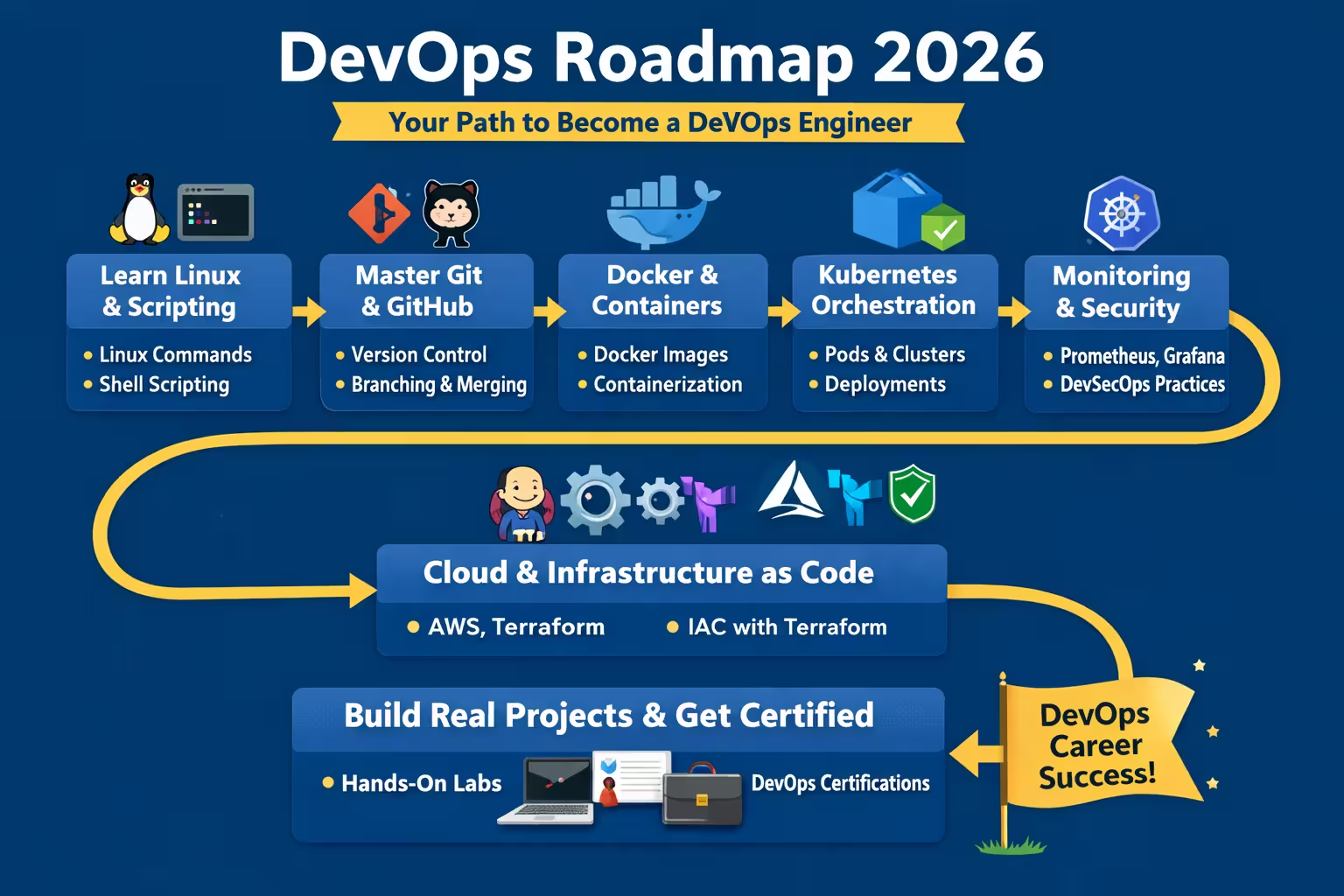
Linux Mastery for DevOps
Linux is the foundation of DevOps. Most production servers run on Linux systems.
Core Concepts to Learn
- File system hierarchy
- User & group management
- Process management
- Permissions & ownership
- Package management
Important Commands
- ls, cd, pwd
- grep, find, awk
- top, ps, kill
- chmod, chown
- systemctl
You must practice by managing a remote Linux server using SSH.
Networking for DevOps Engineers
Networking knowledge is critical when working with cloud servers.
- DNS
- TCP/IP
- Ports
- HTTP vs HTTPS
- Load balancing
- Firewalls & Security Groups
Git & Version Control Deep Dive
Git is the backbone of collaboration.
- git init, clone, add, commit
- Branching strategies
- Rebasing vs Merging
- Pull requests workflow
Learn GitHub workflows and repository management.
CI/CD Pipelines – Automation Core
Continuous Integration ensures code is tested automatically. Continuous Deployment ensures automatic deployment.
- Jenkins pipelines
- GitHub Actions
- Build automation
- Testing automation
You should build at least one real CI/CD pipeline project.
Docker – Containerization Complete Guide
Docker packages applications into containers to ensure consistency.
- Docker images
- Docker containers
- Dockerfile creation
- Docker Compose
Kubernetes Architecture Explained
Kubernetes manages containerized workloads at scale.
- Pods
- Deployments
- ReplicaSets
- Services
- Ingress
AWS for DevOps Engineers
AWS is the most widely used cloud platform.
- EC2
- S3
- IAM
- VPC
- Load Balancers
Follow our AWS EC2 Deployment Guide to practice real deployment.
Infrastructure as Code (IaC) – Terraform & CloudFormation
Infrastructure as Code (IaC) allows you to manage infrastructure using code instead of manual configuration. This ensures repeatability, automation, and scalability.
Why IaC is Important in 2026
- Eliminates manual server setup errors
- Enables version control for infrastructure
- Supports automation at scale
- Improves disaster recovery
Terraform Deep Dive
Terraform is one of the most popular Infrastructure as Code tools. It uses declarative configuration language (HCL) to provision cloud resources.
- Providers (AWS, Azure, GCP)
- Resources
- State files
- Modules
- Terraform plan & apply workflow
Practice by provisioning EC2, VPC, and S3 using Terraform scripts.
Monitoring & Observability
Monitoring ensures system reliability. Observability helps you understand system behavior.
Monitoring Tools
- Prometheus
- Grafana
- CloudWatch
- ELK Stack
DevOps engineers must set up alerts, dashboards, and logging pipelines.
DevSecOps – Security Integration
Security is integrated at every stage of the DevOps lifecycle.
- Static code analysis
- Container image scanning
- IAM least privilege policies
- Secrets management
Complete 6–12 Month DevOps Learning Plan
Months 1–2: Foundation
- Linux mastery
- Networking basics
- Git & GitHub
Months 3–4: Automation
- CI/CD pipelines
- Docker
- Basic AWS services
Months 5–6: Scaling
- Kubernetes
- Load balancing
- Auto scaling
Months 7–9: Infrastructure Automation
- Terraform
- Advanced AWS architecture
Months 10–12: Advanced & Job Ready
- Monitoring setup
- DevSecOps basics
- Real-world project deployment
How to Build a Strong DevOps Resume
Recruiters look for practical experience.
- Show real project deployments
- Mention CI/CD pipelines built
- Highlight cloud experience
- List automation tools used
Your resume should show automation impact, not just tools.
DevOps Interview Preparation Strategy
- Understand system design basics
- Practice scenario-based questions
- Be confident explaining your projects
- Know deployment strategies deeply
Focus on explaining real-world challenges you solved.
Common Mistakes to Avoid
- Learning tools without fundamentals
- Skipping Linux basics
- Not practicing real deployments
- Ignoring security
Complete DevOps Tools List 2026
Version Control
- Git
- GitHub
- GitLab
CI/CD
- Jenkins
- GitHub Actions
- GitLab CI
Containers
- Docker
- Kubernetes
Cloud Platforms
- AWS
- Azure
- Google Cloud
Infrastructure as Code
- Terraform
- CloudFormation
Monitoring
- Prometheus
- Grafana
- ELK
Frequently Asked Questions (FAQ)
1. Can I learn DevOps without coding?
Basic scripting knowledge is required but deep programming is not mandatory.
2. Is DevOps good for freshers?
Yes, with structured learning and real project practice.
3. How long does it take to become job ready?
6–12 months depending on consistency.
4. Is AWS mandatory for DevOps?
Cloud knowledge is highly recommended as most companies use cloud platforms.
5. Do I need Kubernetes?
Yes, container orchestration is essential in modern DevOps roles.
6. What salary can a DevOps engineer expect?
Salary varies by experience and location but demand is strong globally.
7. Which is better: Jenkins or GitHub Actions?
Both are useful. Jenkins is powerful; GitHub Actions is simpler for GitHub projects.
8. Is DevOps stressful?
It can be demanding but rewarding with proper automation and monitoring.
9. Should I learn Docker before Kubernetes?
Yes, Docker fundamentals are required before Kubernetes.
10. What is the biggest skill in DevOps?
Automation mindset and problem-solving ability.